November 16, 2026
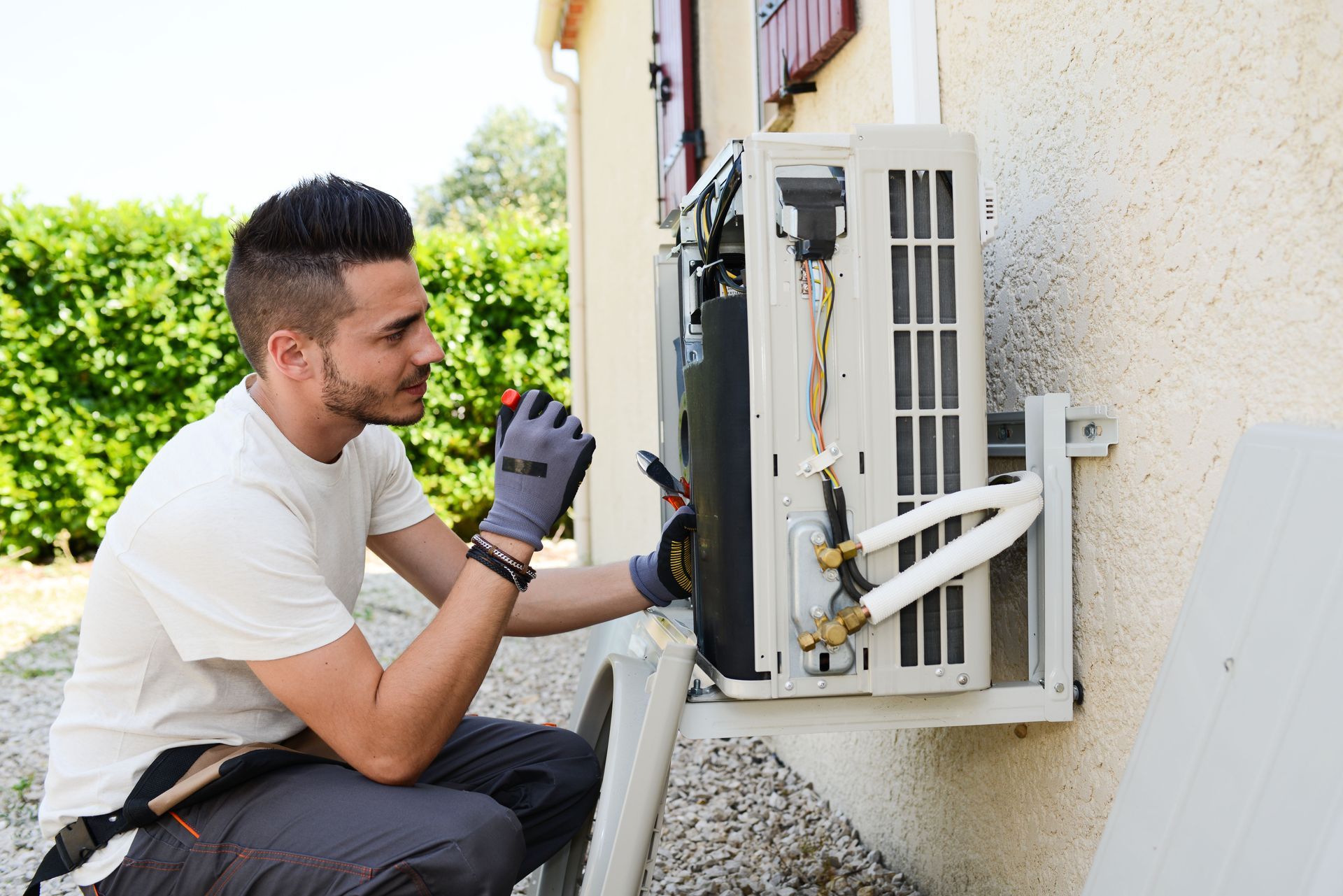
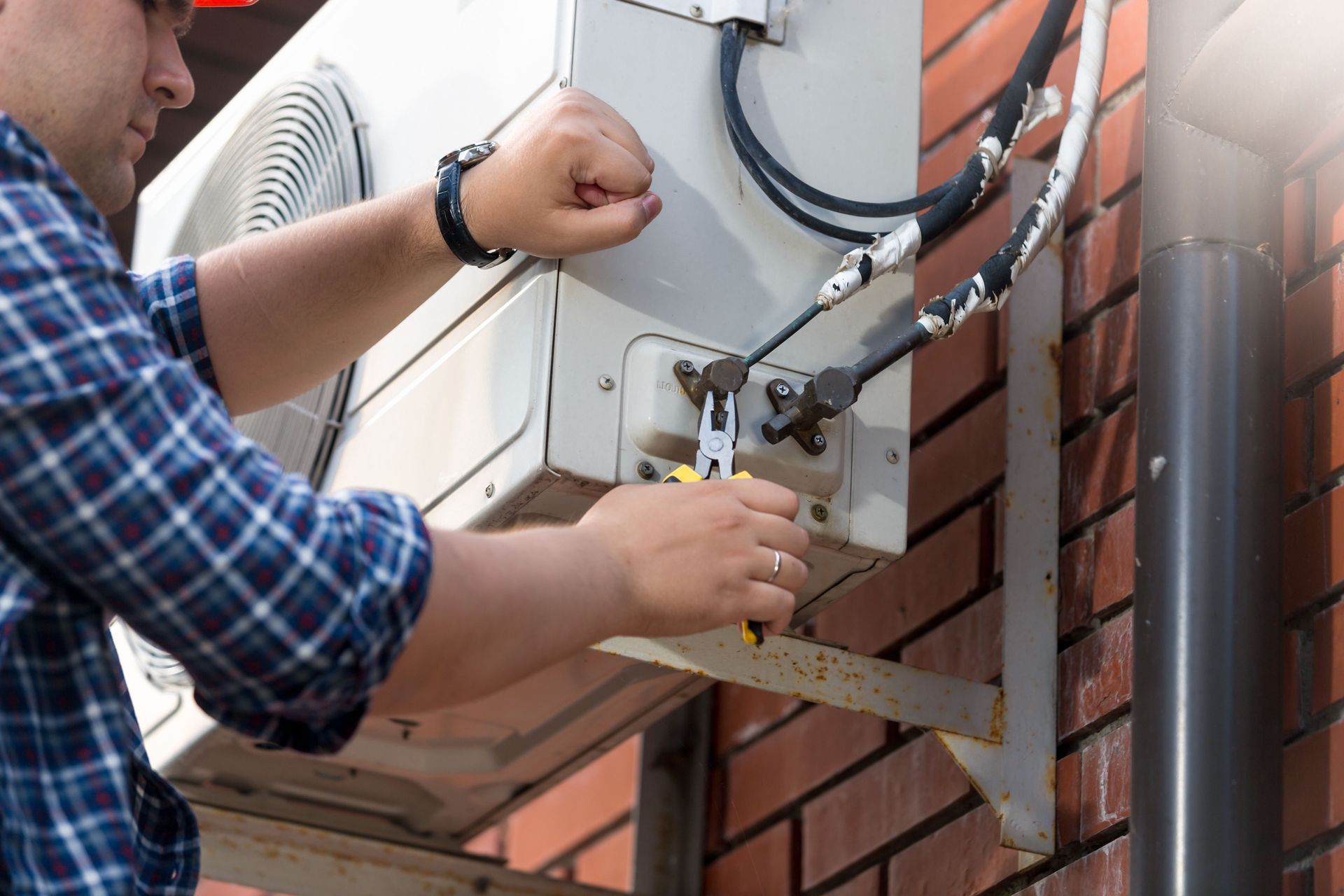
As the seasons change and temperatures fluctuate, maintaining a comfortable indoor environment becomes a top priority for every household. Your cooling system works tirelessly to keep the heat at bay, ensuring your living space remains a relaxing sanctuary. However, like all mechanical devices, these systems undergo significant wear and tear over the course of their operational lifespans. Homeowners often find themselves scheduling routine maintenance and occasional air conditioning repairs to keep everything running smoothly.
While patching up minor issues is a standard part of homeownership, there eventually comes a point when a simple fix is no longer sufficient or cost-effective. Constantly pouring money into an outdated unit can drain your budget and leave you frustrated with subpar performance. Recognizing the subtle and not-so-subtle indicators that your equipment is nearing the end of its useful life is essential for avoiding sudden breakdowns during the hottest months. Making the decision to invest in brand-new equipment requires careful consideration of various operational factors and overall performance trends. By staying vigilant and monitoring how well your system cools your space, you can make an informed choice about replacement before a complete failure occurs.
Evaluating the Age of Your Current Unit
One of the primary indicators that it might be time for a replacement is the chronological age of your existing equipment. Most traditional cooling systems are designed to provide reliable service for a specific duration before their internal components begin to degrade significantly. As the machinery grows older, it naturally loses its ability to cool your home efficiently, no matter how well you have maintained it over the duration of its life. While regular tune-ups and timely air conditioning repairs can certainly extend the viability of your unit, they cannot permanently halt the inevitable aging process. Older systems were often manufactured using outdated technological standards, which means they fundamentally lack the advanced efficiency features found in modern units.
Continuing to rely on a significantly aged system usually leads to diminishing returns, as the machinery struggles to keep up with everyday cooling demands. You might notice that the unit runs for longer cycles just to reach the temperature set on your thermostat. This prolonged operational time puts immense stress on the motor, compressor, and other vital parts, accelerating their eventual failure. Proactively choosing to replace an aging system before it completely stops working saves you from the extreme discomfort of being left without cooling during a severe heatwave.
Dealing With Frequent and Costly Breakdowns
Another clear sign that you should consider upgrading your system is the frequency with which you have to call technicians for service. It is perfectly normal to require occasional maintenance to keep filters clean and moving parts lubricated. However, if you find that you are constantly needing air conditioning repairs just to keep the house habitable, your system is likely failing.
The financial burden of repeated service calls, replacement parts, and emergency labor costs can quickly add up, often surpassing the expense of simply purchasing a brand-new, reliable unit. When a system reaches a state where components are failing one after another, it indicates that the core machinery is severely compromised. Homeowners must weigh the cumulative cost of these endless fixes against the long-term financial benefits of a fresh installation. Furthermore, the stress and inconvenience of dealing with unpredictable malfunctions can disrupt your daily routine and compromise your peace of mind. A new installation eliminates this anxiety, providing you with dependable performance and comprehensive warranty coverage that shields you from sudden out-of-pocket expenses. Escaping the endless cycle of mechanical failures is a strong motivation for homeowners to finally commit to a full system replacement.
Monitoring Unexplained Spikes in Utility Bills
A sudden or gradual increase in your monthly energy expenditures is a strong indicator of an inefficient and struggling cooling system. As units deteriorate over time, they must consume significantly more power to produce the exact same level of cooling they once achieved effortlessly. If your usage habits have remained completely consistent but your utility bills continue to climb, your outdated equipment is likely the primary culprit. The internal components may be fighting against friction, poor airflow, or diminished refrigerant levels, all of which force the system to draw excess electricity. Investing in repetitive air conditioning repairs might resolve a specific mechanical fault, but it rarely restores an older unit to its original, factory-level efficiency.
Modern replacements are engineered with cutting-edge technology designed specifically to minimize power consumption while maximizing output. These advanced systems operate smoothly, reducing the heavy electrical load required to maintain your desired indoor climate. Although purchasing a new unit requires an initial capital investment, the drastic reduction in monthly utility costs often allows the system to pay for itself over the long term. Prioritizing energy efficiency not only protects your monthly budget but also reduces your household's overall environmental footprint.
Recognizing Inconsistent Indoor Cooling Temperatures
When a cooling system is functioning properly, it should distribute conditioned air evenly throughout every single room in your living space. If you start noticing significant temperature fluctuations, such as certain rooms feeling like iceboxes while others remain uncomfortably warm, your equipment is underperforming.
This lack of balanced airflow often points to an underlying issue with the system's ability to push air through the ductwork effectively. Sometimes, duct modifications and specific air conditioning repairs can address localized airflow problems, but widespread inconsistency usually signals a dying central unit. An older motor simply lacks the strength to circulate air properly, leaving distant corners of the house completely unconditioned. Upgrading to a new model ensures that powerful, consistent airflow reaches every vent, eliminating frustrating warm spots and creating a uniformly comfortable environment. Many newer models also feature advanced zoning capabilities, allowing you to precisely control the climate in different areas based on your family's unique preferences. Achieving this level of total indoor comfort is virtually impossible with outdated machinery that struggles merely to turn on and off. A replacement ensures that your entire home remains a perfectly balanced oasis of cool air.
Enhancing Your Property Through Modern Upgrades
Beyond simply restoring cool air to your living space, upgrading your system is a significant investment that enhances the intrinsic value of your property.
Homebuyers increasingly prioritize modern, energy-efficient appliances and integrated climate control systems when evaluating potential properties. Knowing that a home possesses a brand-new, reliable cooling infrastructure provides immense peace of mind to occupants and potential future buyers alike. Rather than settling for endless air conditioning repairs that only delay the inevitable, choosing to install premium equipment elevates your standard of living immediately. This forward-thinking approach to property management aligns perfectly with current national trends regarding residential renovations and personal investments. According to new research by Carrier, more than half of U.S. homeowners (55%) are thinking about or interested in upgrading or remodeling their current home this year, signaling continued confidence in home improvement even amid financial uncertainty. Replacing an exhausted cooling unit is a practical, high-impact way to participate in this trend, modernizing your space while securing daily physical comfort. Embracing these advanced climate solutions transforms an aging house into a highly efficient, contemporary home that is fully prepared to handle the harshest seasonal heat with absolute ease.
Maintaining a flawlessly comfortable indoor climate requires acknowledging when an outdated system has finally run its course. While minor maintenance and occasional air conditioning repairs are entirely standard, dealing with constant breakdowns, rising energy costs, and uneven cooling signifies the need for a comprehensive replacement. Upgrading your equipment eliminates ongoing stress, slashes your monthly utility bills, and dramatically improves the overall airflow and air quality within your space. By taking proactive steps to replace struggling machinery, you safeguard your household against miserable heatwaves and unpredictable expenses. If you are tired of battling a failing unit and want to explore your replacement options, our dedicated team is ready to guide you through the entire process. Call Ultimate Comfort AC & Heating today to learn more about our modern cooling solutions and schedule a comprehensive evaluation of your current setup.