July 16, 2026
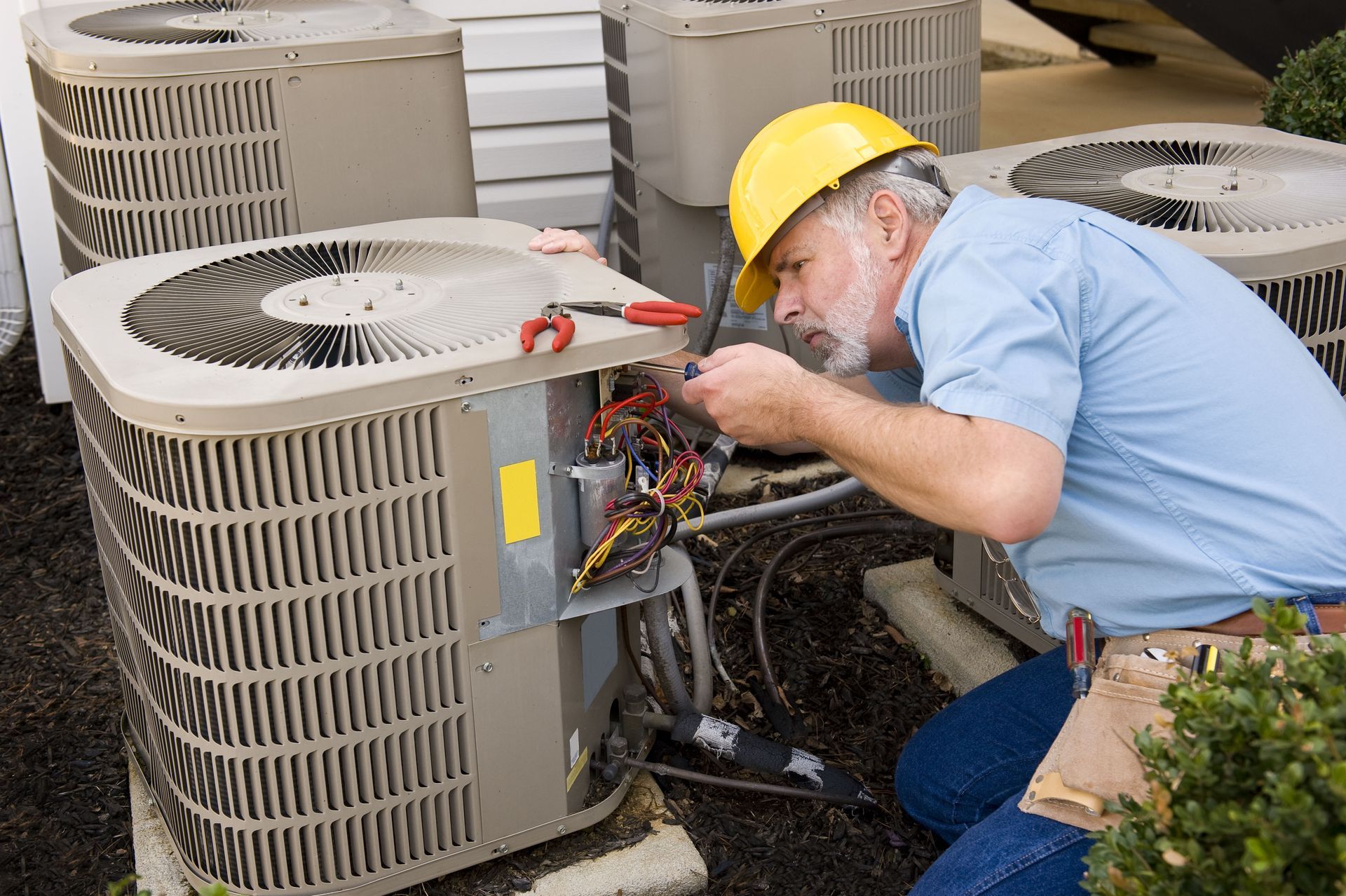
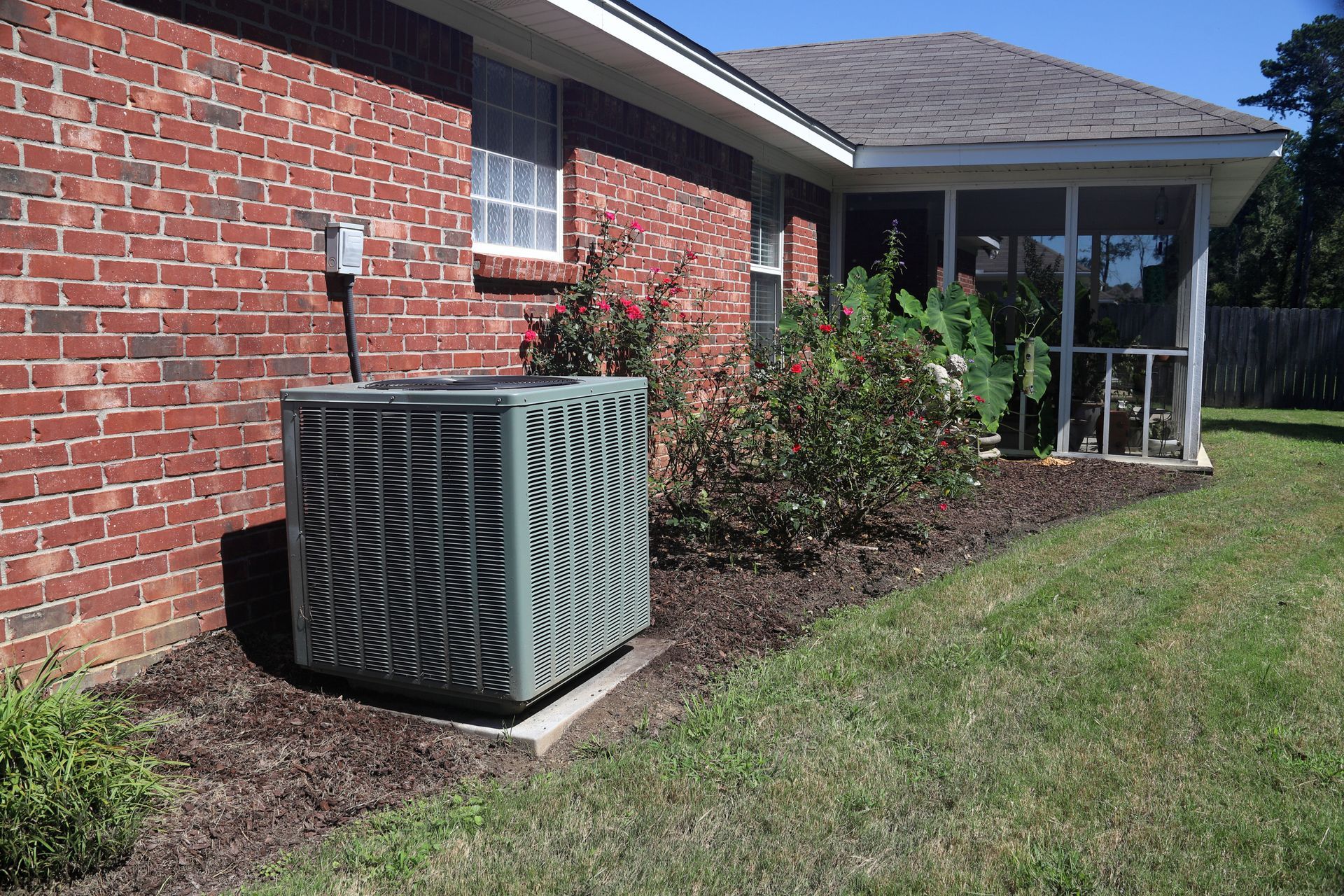
Air conditioning systems are vital for comfort in both residential and commercial settings. However, unexpected issues can arise, disrupting the efficiency and reliability of these systems. By understanding the root causes of these problems, operators can take preventive measures with their local air conditioning repair services to enhance system longevity. Let's explore some of the top causes of unexpected air conditioning issues.
1. Dirty Air Filters
Understanding Air Filter Function
Air filters are designed to trap dust, dirt, and other particles from the air entering the air conditioning system. They serve a crucial role in maintaining clean airflow and preventing contaminants from damaging internal components. When an air filter is clean, it ensures that the air conditioner works efficiently by allowing ample airflow. However, over time, filters can capture a significant number of particles that hinder their ability to perform optimally. Understanding this function is the first step to recognizing the importance of regular filter maintenance and avoiding unexpected breakdowns.
Signs of a Dirty Air Filter
A dirty air filter can manifest several symptoms that alert users to the need for cleaning or replacement. One major sign is reduced airflow, which can lead to inadequate cooling throughout the premises. Additionally, increased energy consumption is often a byproduct of dirty filters, as the system works harder to pull in air through clogged materials. Unusual noises from the air conditioning unit can also indicate filter issues, as the strain on the system affects its operational sounds. Lastly, an immediate red flag for dirty filters is discovering dust and debris build-up around vents or the unit itself.
Impact on Overall System Performance
Dirty air filters can severely impact the overall performance of air conditioning systems. A clogged filter can cause the system to overheat and malfunction because of restricted airflow, leading to potential damage. Additionally, operating with a dirty filter can curtail the system's efficiency, causing energy bills to spike unexpectedly. Any increase in operational strain can reduce the lifespan of the unit, leading to more frequent repairs. According to HomeGuide, local air conditioning repair services can take anywhere from one to eight hours, depending on the part that needs to be fixed or replaced, meaning timely maintenance could save both time and money in the long run.
How to Clean or Replace Air Filters
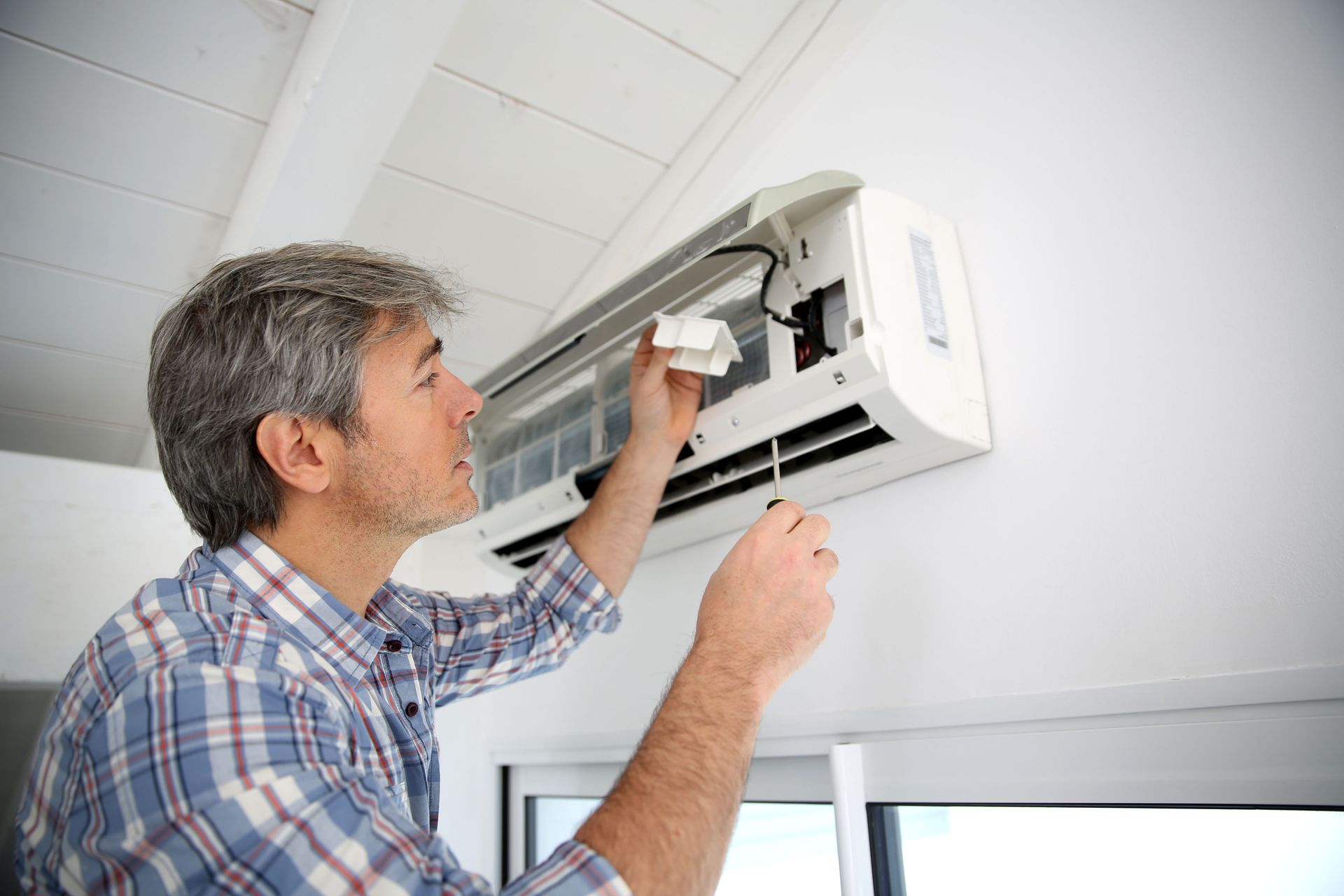
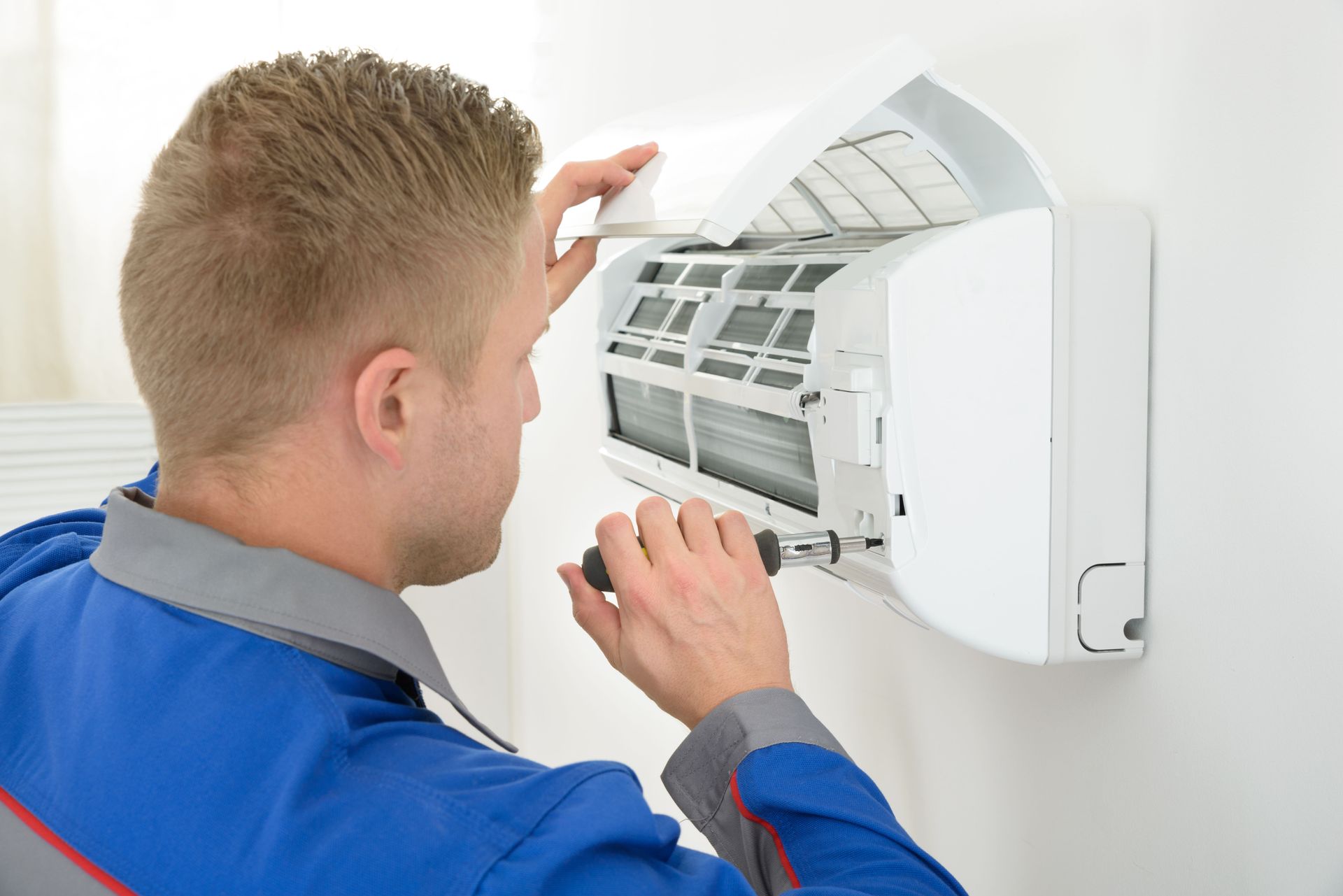
To clean or replace air filters, first identify the type of filter used in the system. Pleated, fiberglass, and high-efficiency particulate air (HEPA) filters are common types. After turning off the unit, remove the filter and examine it against light; if you cannot see light through it, it's time for cleaning or replacement. For washable filters, use a gentle brush and soapy water to remove debris, then rinse thoroughly. For disposable filters, replace them with a new, matching model to ensure efficient system operation.
Regular Maintenance Tips
Regular maintenance of air filters can significantly improve an air conditioning system's efficiency. Checking filters monthly allows for timely cleaning or replacement before they become overly clogged. Additionally, scheduling professional maintenance twice a year with your local air conditioning repair services ensures comprehensive system inspection and tuning. It's also important to follow manufacturer recommendations regarding filter types and replacement frequency. By incorporating these practices, one can minimize the risk of unexpected issues and enhance the overall lifespan of the air conditioning system.
2. Refrigerant Leaks
Role of Refrigerant in Air Conditioning
Refrigerants are integral to the cooling function of air conditioning systems. They absorb heat from the indoor air and release it outside, maintaining a comfortable interior environment. The efficiency of heat exchange depends significantly on maintaining adequate refrigerant levels. A system with optimal refrigerant pressure can efficiently cool air with minimal strain. However, when refrigerant levels drop, the system must work harder to achieve desired temperatures, potentially leading to unexpected failures and increased energy costs.
Common Causes of Leaks
Refrigerant leaks can have several common causes, starting with corrosion of the tubing over time. Corrosion often occurs when moisture and refrigerant react to produce hydrochloric acid. Additionally, manufacturing defects, such as poor welds or unstable fittings, can result in leaks. Physical damages, such as accidental punctures during maintenance, also contribute to refrigerant leakage. Without prompt attention from local air conditioning repair services, even pinhole leaks can escalate into significant issues that compromise system performance and reliability.
Detecting a Refrigerant Leak
Detecting a refrigerant leak early is crucial to prevent extensive damage to the air conditioning system. Common signs of a leak include hissing or bubbling sounds near refrigerant lines or the presence of oily residue around these areas. Additionally, ice buildup on the evaporator coils may indicate a refrigerant loss. If not addressed, these leaks can impair system efficiency and increase operational costs. Timely inspection and maintenance can help detect and address leaks before they cause severe damage.
Consequences of Low Refrigerant Levels
Low refrigerant levels can have dire consequences for the operation and longevity of an air conditioning system. The system is forced to work harder, increasing wear on components and leading to premature failure. Users may also notice inadequate cooling performance, especially during peak summer months, making comfort difficult to achieve. Extensive leaks requiring repairs can result in prolonged downtime. Moreover, the environmental impact of refrigerants leaking into the atmosphere is a broader concern, emphasizing the need for regular system checks.
3. Thermostat Issues
Types of Thermostats
Thermostats come in various types, each offering different features and levels of control over the air conditioning system. Manual thermostats are basic, allowing for straightforward temperature adjustments but offering limited efficiency. Programmable thermostats contribute to energy savings by adjusting temperatures according to preset schedules. Smart thermostats are increasingly popular, offering remote control and learning capabilities to optimize system efficiency. Each type of thermostat has its maintenance needs, impacting how they might contribute to unexpected air conditioning issues.
Calibration Errors in Thermostats
Calibration errors in thermostats can lead to significant air conditioning inefficiencies. A thermostat that hasn't been properly calibrated may read the ambient temperature inaccurately, causing the system to run longer than necessary or fail to reach the set temperature. These discrepancies can result in increased energy consumption and discomfort due to erratic cooling. Regular calibration checks ensure the thermostat accurately reflects the home's temperature, promoting efficient operation. Properly calibrating thermostats not only resolves current issues but also helps prevent future system inefficiencies.
Symptoms of a Faulty Thermostat
Signs of a faulty thermostat can vary, making it essential to recognize common symptoms to address issues timely. If the AC system fails to respond to temperature adjustments, the thermostat may be malfunctioning. Rapid cycling, where the system turns on and off frequently, can also point to faulty thermostat operation. Inconsistent temperatures across different rooms suggest that the thermostat may be inaccurately gauging the overall home conditions. If programming functions are not working as expected, a smart or programmable thermostat might be to blame. Addressing these issues promptly with your local air conditioning repair services is crucial to maintaining optimal AC performance.
Tips for Thermostat Maintenance
Maintaining thermostats involves regular inspections and calibration to ensure accurate temperature readings. Dust and debris around the thermostat can interfere with its sensors and should be cleaned periodically. Verifying programmed settings and ensuring batteries are replaced will keep the thermostat running efficiently. Placement is also critical; thermostats should be stationed away from direct sunlight and drafts, which can skew temperature readings. Implementing these simple maintenance strategies can enhance AC system efficiency and prolong thermostat lifespan.
Air conditioning systems are complex machines that require regular maintenance to perform optimally. Unexpected issues such as dirty air filters, refrigerant leaks, and thermostat malfunctions can disrupt their efficiency. By understanding and employing preventative measures for each of these problems, you can significantly extend the lifespan and improve the reliability of your air conditioning systems. Regular maintenance not only enhances system performance but also minimizes the costs and inconvenience associated with emergency repairs. For help from reliable local air conditioning repair services, reach out to Ultimate Comfort AC & Heating today!